Foots Cray station friendly removals route for vans
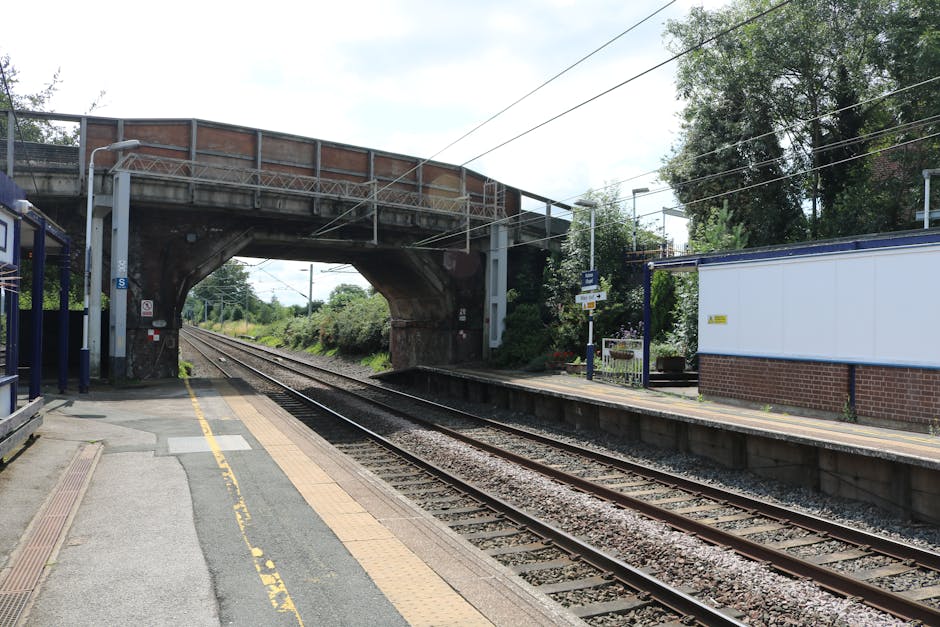
Moving near a busy station can look simple on a map and then feel surprisingly fiddly once a van, a tight street, a few parked cars, and a train timetable all get involved. That is exactly why a Foots Cray station friendly removals route for vans matters. It is not just about getting from A to B; it is about choosing a sensible approach that reduces delays, avoids awkward turns, and makes loading and unloading feel calmer for everyone involved.
If you are planning a home move, a small office move, or even a single bulky item collection, the right route can save time and spare you a lot of stress. In practice, that often means thinking beyond the quickest sat-nav option and looking at access, road width, parking, timing, and how a van can safely stop near the station area. Sounds boring? Maybe. Useful? Absolutely.
This guide breaks down what a station-friendly removals route actually involves, why it helps, and how to plan it properly. You will also find a checklist, a comparison table, and practical tips that make the whole thing feel much more manageable.
Why Foots Cray station friendly removals route for vans Matters
Station areas are rarely the easiest places to move items in and out of. They tend to have a mix of parked cars, pedestrians, delivery traffic, crossing points, and roads that were never designed with modern removal vans in mind. Around Foots Cray, that can mean a route that looks fine on paper but becomes awkward as soon as you try to execute it with a van full of furniture.
A station friendly route matters because removals are usually time-sensitive. You may have keys at a specific hour, building access restrictions, a parking window, or a narrow gap between arriving on time and paying for unnecessary waiting. If a van has to circle the area repeatedly or stop far from the property, the job becomes slower and more tiring very quickly.
There is also the human side of it. Nobody enjoys carrying a sofa halfway down a street because the van could not get close enough. On a damp morning, with a mattress wrapped in plastic and your breath misting in the air, that little detail matters a lot more than people expect.
For businesses too, a poor route can interrupt deliveries, block loading zones, or create confusion for staff and neighbours. So the topic is not just about convenience. It is about keeping the move orderly, respectful, and realistic.
How Foots Cray station friendly removals route for vans Works
At its core, the idea is straightforward: pick a route that allows a van to approach the station area safely, stop legally or as close as permitted, and leave without unnecessary manoeuvring. That usually involves a few checks before the move day, not on the day itself when everyone is already rushing.
In real-world terms, a good station-friendly removals route often balances five things:
- Vehicle size - a long wheelbase van needs more room than a compact one.
- Turning space - dead ends, tight corners, and kerbs can all be awkward.
- Parking and loading access - especially if items need to be carried from the door to the van.
- Timing - school runs, commuter traffic, and train-change peaks can make a short journey feel much longer.
- Safety - clear sightlines, safe crossings, and a sensible unloading point.
It is rarely about finding the absolutely fastest route. Often, the better route is the one that is a touch longer but easier to drive, easier to park, and easier to unload. That small trade-off can save a lot of hassle.
If you are comparing service options, it helps to understand the difference between a standard move and a move shaped around access. A local man with van service may be ideal for smaller loads, while fuller home moves may be better handled through home moves or house removals depending on what needs shifting.
Key Benefits and Practical Advantages
Choosing a station-friendly removals route does a few useful things at once. It keeps the move efficient, reduces avoidable delays, and usually lowers the amount of carrying needed between the property and the vehicle. That might sound minor, but in removals the small things add up fast.
Some of the clearest benefits are:
- Less waiting time - easier access means the crew can load or unload without circling the area.
- Lower risk of damage - fewer tight turns and fewer long carries reduce the chance of knocks and scrapes.
- Better control of the schedule - especially important if you are moving around station traffic or a fixed key handover time.
- Less physical strain - not every item is light, and not every stairwell is friendly.
- Cleaner communication - when the route is planned, everyone knows where the van will stop and who will meet it.
There is also a quiet confidence that comes from knowing the van can actually get in and out. You feel it on the day. The team arrives, the loading feels smooth, the door opens, and the move starts properly instead of with a scramble.
For customers weighing up options, this is one reason people often look at broader services such as removals or removal services rather than trying to improvise everything themselves.
Who This Is For and When It Makes Sense
This kind of routing is useful for more people than you might think. It is not only for large family moves or heavy office relocations. In fact, some of the trickiest jobs happen with smaller loads because people assume they can park "just anywhere" and everything will be fine. Then, of course, it is not fine.
It makes sense if you are:
- moving into or out of a flat near Foots Cray station
- collecting bulky furniture from a property with limited roadside space
- relocating a small office or workspace with a van-based setup
- moving during commuter-heavy hours and need to avoid bottlenecks
- booking a vehicle for a time-sensitive delivery or pickup
- wanting to reduce carrying distance for fragile or heavy items
It also makes sense when the customer side of the move is a little messy - and let's be honest, moving often is. Maybe the lift is out. Maybe the keys are late. Maybe there are two sofas and a mattress that seemed manageable until you actually stood next to them. A route plan gives structure to that chaos.
If you need more support for a bigger home transition, options like house movers or house removalists can be a better fit. For work-related relocations, you might look at office removals or commercial moves instead.
Step-by-Step Guidance
If you want the move to feel easy on the day, the trick is to do a little thinking before the van turns up. Nothing fancy. Just practical planning. Here is a simple process that works well in real life.
- Confirm the pickup and drop-off points. Be precise about the entrance, floor level, and whether the van can stop directly outside or nearby.
- Check the vehicle size. A smaller van may fit where a larger one struggles. That can change the whole route.
- Look for low-risk access. Think about one-way streets, tight bends, narrow residential cut-throughs, and places where parking can disappear quickly.
- Plan your loading order. Put the items needed first near the back of the van. It saves rummaging and keeps the load safer.
- Allow a timing buffer. Around station areas, ten extra minutes can feel like a luxury and sometimes it genuinely is.
- Confirm the unloading point. If the destination also has access issues, plan that before the move begins.
- Keep communication open. A quick phone call or message if traffic changes can stop a small delay becoming a bigger one.
That's the basic flow. Simple, but not simplistic.
In many cases, customers pair route planning with packing and unpacking services so the van can be loaded faster and the job stays orderly. If you are moving a single bulky item rather than a whole property, a focused service like furniture pick up can be a better match.
Expert Tips for Better Results
Small choices make a big difference here. That is the part people often underestimate. A route can be technically correct and still be a pain to use. The best route is the one that works smoothly in the messy middle of the job.
- Use the route that reduces reversing. Reversing near pedestrians or parked cars is where stress tends to start. If you can avoid it, do.
- Choose loading sides with care. If the property frontage is awkward, consider whether a side street stop makes more sense than trying to force a kerbside position.
- Think about weather. Rain changes everything. Wet boxes, slippery steps, and damp pavements are not ideal companions.
- Keep a spare minute for the unexpected. A delivery van, a bin truck, or a suddenly busy road can appear at exactly the wrong moment. It happens.
- Label items clearly. Especially if the move includes a mix of personal items, fragile boxes, and awkward furniture. The unloading side gets faster immediately.
One small but useful habit is to walk the final approach from the van to the door before unloading starts. It sounds almost too simple, but it can save the team from discovering a narrow gate or an uneven path when the first heavy item is already in hand.
And yes, it may feel slightly over-cautious. Better that than a scratched wardrobe and a bad mood by 10:30 in the morning.
Common Mistakes to Avoid
Most removals problems near station areas come from assumptions. People assume parking will be available, assume the van will fit, or assume the road layout will be forgiving. Usually it is not. The good news is that most of these problems are avoidable.
- Assuming a sat-nav route is automatically the best removals route. Sat-navs are good at moving vehicles, not necessarily at planning a practical loading position.
- Ignoring timing pressure. Peak commuter times can make short distances painfully slow.
- Forgetting about unloading space. You need a route in, but you also need a clean exit afterwards.
- Booking the wrong vehicle size. Too small and you end up doing extra trips. Too large and access becomes awkward.
- Not discussing fragile or high-value items early. These may need different handling or different positioning inside the van.
- Leaving route checks until the move day. By then, you are reacting instead of planning.
To be fair, almost everyone has made at least one of these mistakes at some point. It is a moving lesson most people only need once.
If you want to reduce the chance of those issues, looking at a reputable removal company or comparing removal companies can help you judge how seriously a provider thinks about access and planning.
Tools, Resources and Recommendations
You do not need a load of fancy kit to plan a good route. But a few simple tools and habits help a lot. The goal is not complexity. The goal is fewer surprises.
| Tool or resource | Why it helps | Best use case |
|---|---|---|
| Sat-nav or route planner | Useful for estimating drive time and checking road order | Pre-planning and live traffic awareness |
| Phone camera | Lets you share access points, parking space, and awkward turns | Remote quote checks and day-before checks |
| Notepad or move checklist | Keeps tasks and contact details in one place | Busy home moves and office relocations |
| Measuring tape | Helps confirm furniture size against doorways and van space | Bulky items, wardrobes, sofas, office desks |
| Packaging materials | Protects items and speeds up loading | Mixed household moves and fragile possessions |
For practical support, it is worth looking at service pages that match your move size. A smaller job may fit well with man and van or man and van removals, while a broader relocation may call for removals van or even a moving van depending on volume and access.
It can also help to review insurance and safety details before booking, especially if your move involves fragile items, narrow access, or repeated handling.
Law, Compliance, Standards, or Best Practice
For van removals near a station, the main point is simple: the move should be carried out safely, legally, and with sensible respect for other road users and pedestrians. That means following normal UK driving rules, parking restrictions, and any local access constraints that apply on the day.
Best practice usually includes the following:
- parking only where it is lawful and appropriate
- avoiding blocking pavements, junctions, dropped kerbs, or driveways
- keeping loading time efficient to reduce disruption
- ensuring items are secured properly inside the vehicle
- using suitable lifting methods for heavier objects
- being careful around station entrances where pedestrian traffic can be brisk
There is also a customer-service side to compliance, even when nobody calls it that. Clear communication, honest timing, and proper handling of belongings are all part of a professional standard. If a provider explains its health and safety policy, terms and conditions, and payment and security approach clearly, that is usually a good sign.
And if sustainability matters to you, it is sensible to ask how unwanted items are handled. A proper recycling and sustainability approach can reduce waste and keep the move a bit cleaner overall.
Options, Methods, or Comparison Table
Different moves need different approaches. Below is a practical comparison to help you decide which method fits your route and access needs best.
| Method | Best for | Pros | Trade-offs |
|---|---|---|---|
| Small van route | Light loads, single items, tighter roads | Easier access, simpler parking, lower manoeuvring stress | Less capacity, may require more trips |
| Standard removals route | Typical home or flat moves | Balanced capacity and practicality | May still struggle in very tight streets |
| Large vehicle route | Bulkier household or office loads | Fewer trips, efficient for big volumes | Harder to position near constrained station access |
| Hybrid approach | Tricky access with mixed item sizes | Flexible, can reduce carrying distance | Needs more planning and coordination |
For many station-area jobs, the hybrid approach is underrated. A slightly smaller vehicle plus a careful loading plan can beat a bigger van that struggles to park. In other words: capacity is only half the story.
If you are still weighing the route against the vehicle choice, a page like removal van can be helpful for understanding the right fit for the job.
Case Study or Real-World Example
Here is a simple example from the kind of move people arrange all the time. A tenant moving from a first-floor flat near Foots Cray station had a few awkward items: a bed frame, a small wardrobe, boxes of books, and a dining table that looked much lighter in the evening before dismantling started.
At first, the obvious plan was to use the shortest route shown by the sat-nav and stop close to the building entrance. On paper, it looked fine. But after checking the street layout properly, the better option was to approach from a slightly different direction that offered a cleaner turn, fewer parked cars to squeeze past, and a safer stopping point a little further along.
The result was not dramatic. No magic. Just a smoother move. The team spent less time repositioning the van, loading was faster, and the walk to the property was short enough that the items did not feel as if they were being carried for miles. It also reduced the back-and-forth that can happen when people are trying to shout instructions over traffic noise.
That is the point, really. A station-friendly route does not need to be perfect. It just needs to make the move feel controlled.
For a slightly bigger household scenario, the same thinking applies if you are booking house removals or working with movers who understand access challenges.
Practical Checklist
Use this checklist before move day. It is simple, but it covers the details that matter.
- Confirm both addresses and exact access points
- Check whether the van can stop near the entrance safely
- Identify any narrow turns, one-way streets, or parking restrictions
- Measure the largest items if access is tight
- Decide whether you need a small van, standard van, or larger vehicle
- Pack and label boxes clearly
- Keep essentials separate for quick access
- Share contact details with the driver or moving team
- Allow extra time for commuter traffic and loading delays
- Review safety, payment, and policy details before the booking is confirmed
One tiny but valuable habit: keep your keys, phone, and move-day notes in the same pocket or bag. It sounds obvious until you are standing outside with half a cup of coffee and no idea where the spare key went. Been there. Not fun.
Get a free quote today and see how much you can save.
Conclusion
A Foots Cray station friendly removals route for vans is really about making the move behave properly. It means less stress, fewer awkward manoeuvres, safer loading, and a better chance of keeping the day on schedule. That matters whether you are moving a flat, relocating a small office, or simply collecting a bulky item that will not fit in the boot of a car.
The best results usually come from a small amount of planning and a realistic view of access. Nothing glamorous. Just sensible choices, clear communication, and a vehicle that suits the roads rather than fighting them. When you get that part right, the rest of the move tends to feel far easier.
And honestly, that is what most people want: a move that gets done neatly, without drama, and without spending the whole day muttering at the road layout.
For more about the people behind the service, you can review the about us page, or check the company's approach to issues through the complaints procedure and privacy policy if you want that extra reassurance before booking.
Move smart, stay calm, and give yourself a route that works with the day rather than against it.
Frequently Asked Questions
What does station friendly removals route for vans actually mean?
It means choosing a route and stopping point that lets a van access the Foots Cray station area safely and efficiently, with minimal reversing, circling, or long carrying distances.
Why is route planning so important for removals near a station?
Because station areas often have tighter access, heavier traffic, and more pedestrians. A good route reduces delays and makes loading and unloading safer and easier.
Should I use the shortest route on my sat-nav?
Not always. The shortest route is not necessarily the best for a van, especially if it includes narrow roads, awkward turns, or poor stopping points.
Is a smaller van better for station-area moves?
Often, yes. A smaller van can be easier to park and manoeuvre near constrained streets, though you still need enough capacity for the job.
How far in advance should I plan the route?
Ideally before move day. Even a quick check the evening before can help you spot access issues and avoid last-minute problems.
What if the van cannot park directly outside the property?
That is common in some areas. The next best option is to find a legal stop nearby with a safe walking route for carrying items, then adjust the loading plan accordingly.
Can I book help for just one or two bulky items?
Yes, and that is often where a focused service works best. A smaller job may suit a man and van style arrangement or a dedicated furniture collection.
What should I tell the moving team before the job starts?
Share access details, parking limits, stair information, item sizes, and any time restrictions. The more accurate the information, the smoother the route planning will be.
Does route planning affect the cost of a move?
It can, indirectly. Easier access usually means less time spent loading and unloading, while tricky access can increase the amount of labour or time needed.
What safety checks matter most for van removals near Foots Cray station?
Look at parking legality, pedestrian safety, secure loading, safe lifting, and whether the vehicle can turn and leave without risk. Those basics make the biggest difference.
Is this more relevant for home moves or office moves?
Both. Home moves often involve furniture and stairs, while office moves can involve heavier equipment and tighter timing. The route matters in each case.
What is the best next step if I am unsure about access?
Take a few photos of the access point, note the road layout, and speak to the removals provider before booking. A quick conversation usually clears up a lot.