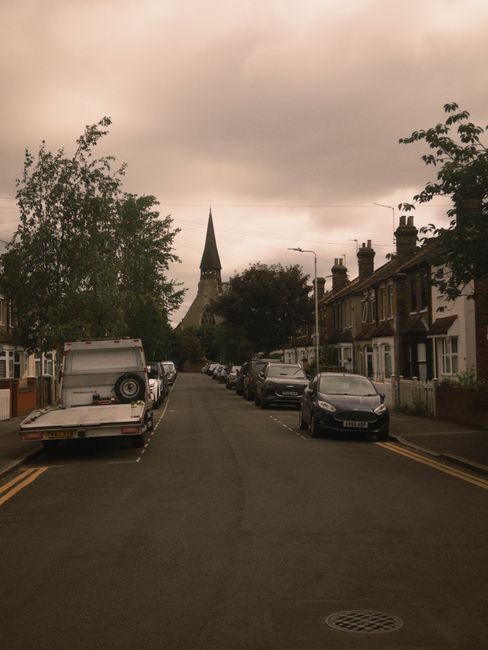
Sidcup Road Foots Cray removals parking and access tips
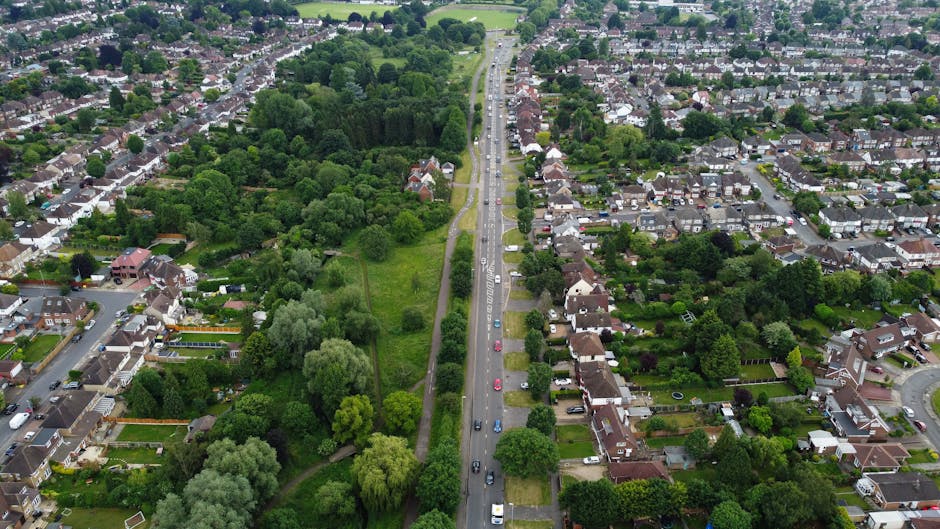
If you are planning a move on or near Sidcup Road, you already know the awkward part is not always the boxes. It is the parking, the access, the turning space, the tight kerb, the busier-than-you-expected stretch of road, and the moment everyone is standing around asking, "Can the van stop here or not?" This guide to Sidcup Road Foots Cray removals parking and access tips is here to take the guesswork out of that part of moving day.
Whether you are moving from a flat, a house, or a small business premises, a little planning around parking and access can save you time, stress, and a fair bit of money. It also helps avoid those slightly awkward moments where the crew has to double back, carry furniture further than expected, or wait while a space clears. Let's face it, nobody wants a moving day that starts with a parking puzzle.
Below, you will find practical advice on planning vehicle access, avoiding common street-level snags, deciding what size van works best, and understanding the small details that make a big difference on Sidcup Road and around Foots Cray.
- Why parking and access matter on Sidcup Road
- How removals access planning works
- Key benefits and practical advantages
- Who this is for and when it makes sense
- Step-by-step guidance
- Expert tips for better results
- Common mistakes to avoid
- Tools, resources and recommendations
- Law, compliance, standards, or best practice
- Options, methods, or comparison table
- Case study or real-world example
- Practical checklist
- Conclusion
- Frequently asked questions
Why Sidcup Road Foots Cray removals parking and access tips Matters
Parking and access are often the difference between a calm move and a day full of little delays. On a road like Sidcup Road, where traffic flow, kerb space, driveways, side roads, and nearby footfall can all affect how a vehicle is positioned, a removals job needs more than just muscle and boxes. It needs a plan.
The reason this matters is simple. A removals van that can park close to the entrance makes loading faster, safer, and usually cheaper in real terms. Fewer steps mean less risk of damage, less lifting strain, and less back-and-forth. If the van has to stop further away, the job still gets done, of course, but it becomes more labour-heavy. That can affect timing more than people expect.
In our experience, the move itself is rarely the problem. The challenge is the logistics around it: where the van waits, how long it can stay there, whether the doorway is obstructed, and whether there is enough room for a sensible loading flow. A perfectly packed van is no help if the crew cannot safely reach it.
For anyone moving in Foots Cray, access planning also reduces the chance of last-minute stress. You do not want to discover at 8:15 in the morning that the street is narrower than you remembered, or that a neighbour's car is sitting in the one useful space outside the property. It happens. More often than people like to admit.
How Sidcup Road Foots Cray removals parking and access tips Works
The practical side of removals access starts before moving day. A good plan usually covers four things: where the van will park, how people will carry items between the property and the vehicle, what obstacles might get in the way, and whether the route from door to van is safe for larger items.
Think of it as mapping a short working path. The route may only be a few metres, but every extra metre matters when you are carrying a wardrobe, mattress, washing machine, or stack of boxes. A route that looks fine in theory can feel very different when there are parked cars, a tight gate, steps, or a narrow turning point.
There is also a timing element. Sometimes it is best to arrive a little earlier to secure parking. Sometimes a short wait is smarter if a safer spot is likely to open. And sometimes, frankly, the best move is to adjust the unloading point rather than forcing a van into a space that is going to make everything harder. That kind of judgement is what separates a smooth move from a chaotic one.
If you are using a professional team, they will usually assess access as part of the planning conversation. A reliable removals service will want to know about parking limitations, stair access, and any unusual entry points before the job starts. That is a good sign, not an inconvenience.
Key Benefits and Practical Advantages
Good parking and access planning does not just save time. It improves the whole moving experience.
- Less lifting distance: Shorter carry distances reduce fatigue and lower the chance of accidental knocks.
- Faster loading and unloading: A van parked close to the property makes the job more efficient, especially for heavy items.
- Lower risk of damage: The fewer tight corners and awkward handovers you have, the safer your furniture tends to be.
- Better control of timing: Access problems are one of the most common reasons jobs run behind schedule.
- Cleaner coordination: When everyone knows where the van is stopping and which route to use, the day feels more orderly.
There is also a quieter benefit that people often overlook: peace of mind. When you know the access plan is sorted, everything else feels more manageable. You stop worrying about what might go wrong at the kerb and focus on the actual move. Which, truth be told, is enough to be getting on with.
Who This Is For and When It Makes Sense
This topic matters for more people than you might think. It is not only for large house moves with a full removals crew. It is useful for anyone moving where parking is not straightforward or where there is limited frontage, shared access, or a busy road layout.
You will benefit from these tips if you are:
- moving from a terraced house with restricted kerb space
- relocating from a flat above shops or a property with stair access
- handling a same-day or urgent move where timing matters
- moving office equipment or stock from a roadside business unit
- arranging furniture pick-up or delivery in a street with limited stopping room
- trying to compare van sizes for a move in Foots Cray and nearby streets
It also makes sense if you are coordinating several people. One person can manage parking, another can manage doors and keys, and another can keep an eye on items moving out of the property. Small moves can get surprisingly busy, and a bit of structure helps a lot.
If you are still deciding what type of support you need, it may help to compare a full house move with a more flexible man and van option. For lighter loads, that can be a sensible fit. For bigger or more delicate jobs, a more comprehensive service may be the better call.
Step-by-Step Guidance
Here is a practical way to prepare access and parking for a move on Sidcup Road or nearby in Foots Cray.
- Check the property frontage first. Measure the practical space near the entrance, not just the street width. A van may need more room than you think, especially if doors open outward or there are steps.
- Look at the likely stopping point. Ask yourself where the vehicle can safely pause without blocking driveways, corners, or key pedestrian paths.
- Walk the route with your hands full. Try carrying a medium box from the door to the street. If it feels tight for you, it will feel tighter with a sofa.
- Identify obstacles early. Watch for low walls, hanging baskets, uneven paving, narrow gates, and awkward turns near the entrance.
- Plan for the heaviest items first. Beds, wardrobes, appliances, and large drawers should shape the access plan, not the other way round.
- Decide who will direct the vehicle. One clear person giving directions is better than three people waving vaguely. Honestly, much better.
- Build in a little slack. Even a 5-minute delay can matter if parking is tight. A small buffer makes the day feel less rushed.
If the move includes bulky items, it may help to read about route planning for specific loading challenges, such as the practical advice in Foots Cray station-friendly removals route for vans. The detail is different, but the thinking is similar: reduce friction before it becomes a problem.
One small but important point: if you are moving early in the morning, the street can feel very different from later in the day. Fewer cars does not always mean easier access if delivery traffic or school runs start building up soon after. Time your arrival with that in mind.
Expert Tips for Better Results
Here is where experience pays off. A few small decisions can make a proper difference.
Choose the van size with the street in mind
People often think van size is only about volume. It is not. It is also about where the van can physically sit. A larger vehicle may carry more, but if it cannot position neatly near the property, you can lose the advantage. In some cases, a smaller van with more trips works better than trying to force a bigger one into an awkward space.
If you are unsure, a comparison between vehicle types can help. The guide on comparing a small van or Luton van for Foots Cray moves is useful for thinking through the trade-off between capacity and access.
Keep heavy items closest to the exit
The front hall, porch, or ground-floor staging area should be as clear as possible. If large items have to be manoeuvred around piles of boxes, the move slows down and the risk of scuffs goes up. Clear path, clear head. Simple but true.
Leave room for the loading flow
A move works best when the carry path is direct. Items should not need to be paused in the middle of a shared driveway or shuffled between parked vehicles. A little bit of open space can make the whole job feel calmer.
Have a fallback spot in mind
Street parking can change quickly. If the first choice is blocked, it helps to have a second location ready. Not perfect, but workable. That backup plan can save the team from standing around wondering what to do next.
Use packing to reduce access pressure
If your boxes are well sealed, labelled, and sized sensibly, the team can move them in a cleaner rhythm. That matters when the loading distance is longer than ideal. Efficient packing is not just about storage in the van; it supports access too.
Common Mistakes to Avoid
Most access problems are avoidable. They usually come from assumptions.
- Assuming there will be parking outside: On busy roads, that is a gamble. Always have a backup.
- Ignoring the walking distance: Ten extra metres may not sound like much, but it adds up fast with furniture.
- Forgetting about neighbours or shared access: Driveways, bins, garden walls, and communal entrances can all complicate a move.
- Leaving bulky items until last: If the biggest pieces are still in awkward rooms, the team may need to work around them at the most tiring point of the day.
- Not checking the approach route: The van may fit outside the property, but can it get there safely and turn back out again?
- Overpacking small boxes: Heavy, overstuffed boxes are harder to carry over longer distances and more awkward at kerbsides.
One classic mistake is thinking "we will sort it out on the day." Sometimes that works. Often it does not. Moving day has enough moving parts already, so the fewer unknowns, the better.
Tools, Resources and Recommendations
You do not need a complicated toolkit to improve access planning. A few sensible basics are enough.
- Measuring tape: Useful for checking entrances, hallways, gates, and vehicle clearances.
- Phone camera: Take photos of access points, street frontage, and any awkward turns. Pictures are often easier to share than descriptions.
- Notes app or checklist: Keep a quick record of parking restrictions, access times, and contact numbers.
- Labels for boxes: Clear labelling helps the unload order stay efficient, especially if parking is tight and the carry distance is longer.
- Protective coverings: Door frames, floors, and stair edges may need protection if furniture is being moved through narrow spaces.
If you want broader moving support beyond access planning, services like home moves, house removals, or packing and unpacking services can help reduce the pressure on moving day. That is especially useful if you are juggling work, children, or a tight completion schedule.
For people planning a more compact move, the moving day logistics may also sit nicely alongside a lighter vehicle option such as a moving van or removal van. The key is to match the vehicle to the access conditions, not only the item count.
Law, Compliance, Standards, or Best Practice
Any move involving roadside parking and loading should be handled with sensible regard for local rules, safety, and courtesy. Exact restrictions can vary by street, so it is wise to check local signage, available space, and any property-specific instructions well before the job starts. Do not assume that stopping "just for a minute" will be acceptable if the road layout makes that a problem.
Best practice usually includes keeping entrances clear, avoiding obstruction of driveways or pedestrian routes, and making sure the vehicle can load and depart safely. If a team is working near a busy road, the access plan should also account for visibility, door opening space, and safe lifting technique.
For a reputable moving provider, safety is not an afterthought. It should sit alongside punctuality and care. If you are comparing providers, it is worth looking at pages such as health and safety policy and insurance and safety to understand how the company approaches risk, handling, and customer protection. That is not box-ticking. It is practical reassurance.
There can also be access-related considerations around sustainability and disposal if you are clearing items as part of the move. In those cases, a clear plan for reuse, recycling, and responsible removal is a sensible standard. It keeps the day tidier and usually feels better too.
Options, Methods, or Comparison Table
Different moves call for different access strategies. Here is a simple comparison to help you think it through.
| Approach | Best for | Pros | Watch-outs |
|---|---|---|---|
| Doorstep loading with close parking | Most house moves with decent frontage | Fast, efficient, less carrying | Depends on parking availability |
| Short carry from nearby legal parking | Busier roads and tighter streets | Flexible and often realistic | More labour and time |
| Split-load approach | Access-limited properties or smaller vans | Can fit difficult streets better | Needs strong planning and coordination |
| Pre-cleared access route | Large items, offices, or cluttered entrances | Reduces snagging and delays | Requires preparation before arrival |
If you are weighing up moving methods, some jobs genuinely work better with a smaller, more nimble vehicle. Others need extra loading room and a broader plan. That is why a service like removal services can be a better fit than simply hiring the biggest van available and hoping for the best. Hope is not a strategy, as they say.
Case Study or Real-World Example
Imagine a family moving from a property off Sidcup Road with a front entrance set back slightly from the kerb and a narrow frontage shared with a neighbour's vehicle. Nothing dramatic, but enough to make parking awkward. On paper, the move looked straightforward. In practice, the loading area needed a bit of thought.
Before moving day, the family walked the route from the front door to the road and realised two things: first, large items would be difficult to carry around the corner of the path if the van parked too far away; second, the most convenient stopping place could be blocked by a car that sometimes stayed overnight. They flagged both issues early.
On the day, the vehicle arrived with a clear plan. The driver stopped in the most workable position rather than the nearest one, and the family kept the front hall clear. The sofa, mattress, and three larger cabinets went out first while the route was still clean and uncrowded. The rest followed neatly after. No one had to backtrack, and nobody stood in the doorway muttering about where the keys had gone. Small miracle, really.
The important lesson was not that everything was perfect. It was that the access issues were noticed before they became delays. That kind of preparation is what makes Sidcup Road Foots Cray removals parking and access tips genuinely valuable, especially in streets where space is limited or traffic can change quickly.
Practical Checklist
Use this checklist before moving day. It is simple, but it covers the essentials.
- Confirm the exact property address and entrance used for loading.
- Check where a van can safely stop without blocking traffic or driveways.
- Measure key access points such as gates, hallways, and door widths if needed.
- Identify stairs, slopes, uneven paving, or tight corners.
- Make a backup parking plan in case the first space is taken.
- Keep front paths and hallways clear for bulky furniture.
- Decide in advance who will guide the driver if parking needs steering.
- Pack heavy items into manageable boxes, not overfilled ones.
- Set aside protective materials for floors, doors, and fragile edges.
- Check whether you need extra help for large or awkward items.
- Have keys, phone numbers, and access instructions ready before arrival.
If you are dealing with clutter before the move, it can also help to sort decluttering and disposal early. A cleaner space almost always means easier loading. For some households, that is the bit that makes the whole day feel more under control.
Get a free quote today and see how much you can save.
Conclusion
Sidcup Road Foots Cray removals parking and access tips are really about one thing: making the move work in the real world, not just on paper. If you can plan the parking, think through the carry route, and spot the awkward bits before moving day, you give yourself a much better chance of a smooth start.
That does not mean every move will be flawless. There will always be a bit of juggling here and there. But with the right planning, most of the stress stays manageable. And that, to be honest, is what most people want most. A move that feels organised, steady, and human.
When you are ready, choose the route, choose the van size, and choose the team that treats access planning as part of the job, not an afterthought. The rest tends to fall into place.
Frequently Asked Questions
What is the biggest access issue for removals on Sidcup Road in Foots Cray?
The biggest issue is usually parking close enough to load efficiently without causing obstruction. Street layout, nearby traffic, and limited frontage can make that trickier than it first appears.
How far in advance should I plan parking for moving day?
Ideally, you should think about it as soon as your moving date is confirmed. Even a quick site walk a few days before can reveal problems you would otherwise miss.
Is a larger van always better for a move with limited parking?
Not always. A larger van may hold more, but if it cannot park safely near the property, a smaller van or split-load approach may work better overall.
Should I reserve a parking space for the removals van?
That depends on the street and the local rules, but in general you should not assume a space will still be available when the vehicle arrives. A backup plan is wise either way.
What should I check at the property before moving day?
Check the entrance width, stairs, hallway clearance, kerb access, and where the van can stop. Also look for obstacles like gates, low walls, or parked cars.
What if the road is busy and there is no space right outside?
Then you plan for the nearest safe and legal stopping point and keep the carry route as short and clear as possible. It is not ideal, but it can still be efficient with the right setup.
Do I need professional help for parking and access planning?
If the move is straightforward, maybe not. But if you have large items, tight access, or a busy street, professional help can save you a lot of stress and wasted time.
How can I reduce the risk of damaging furniture during a long carry?
Use clear paths, proper packing, and enough people for heavier items. Door and floor protection can also help, especially if the route includes tight corners or steps.
What type of move benefits most from access planning?
Almost any move does, but it matters most for house removals, flat moves, office relocations, and jobs involving bulky furniture or time-sensitive schedules.
Are there any best practice documents I should look at before booking?
It helps to review a company's safety, insurance, pricing, and terms information so you understand how they handle access, protection, and responsibilities during the move.
Can access planning help reduce costs?
Yes, indirectly. If the crew can load and unload efficiently, the job is less likely to overrun. Fewer delays and less carrying usually make the whole move more cost-effective.
What is the best last-minute tip if I have not planned parking yet?
Do a quick walk of the street before the van arrives, identify the safest workable stopping point, and clear the property entrance as much as possible. That small bit of preparation can make a surprising difference.