Moving near Hall Place? Access and unloading advice
Posted on 06/05/2026
Moving into or out of a property near Hall Place can look straightforward on paper, then suddenly become awkward the moment a van meets a narrow lane, a busy frontage, or a nowhere-to-turn-around situation. That is usually where the real stress begins. Moving near Hall Place? Access and unloading advice is less about brute force and more about planning the final few metres properly, because that is where time, damage risk, and frustration tend to pile up.
If you are relocating nearby, the good news is that a bit of preparation goes a long way. Whether you are moving a family home, a flat, a small office, or just a few heavy pieces, you can make loading and unloading smoother by understanding the approach route, parking reality, building access, and the order in which things should come off the van. Truth be told, those details matter more than most people expect.
This guide walks you through the practical side of access near Hall Place: what to check before moving day, how to plan unloading without blocking yourself in, which tools actually help, and when it makes sense to bring in a professional team. It is written to help you avoid the common stuff that derails a move, like carrying the wrong items first or discovering too late that the van cannot sit where you thought it could.
Why Moving near Hall Place? Access and unloading advice Matters
Access is often the hidden variable in any move. You can have neatly packed boxes, a reliable van, and two very capable people on hand, but if the vehicle cannot get close enough to the door, the whole day slows down. Near Hall Place, that may mean shared driveways, tighter residential roads, limited kerb space, pedestrian traffic, or awkward corners where reversing is not ideal. None of that is impossible. It just needs thought.
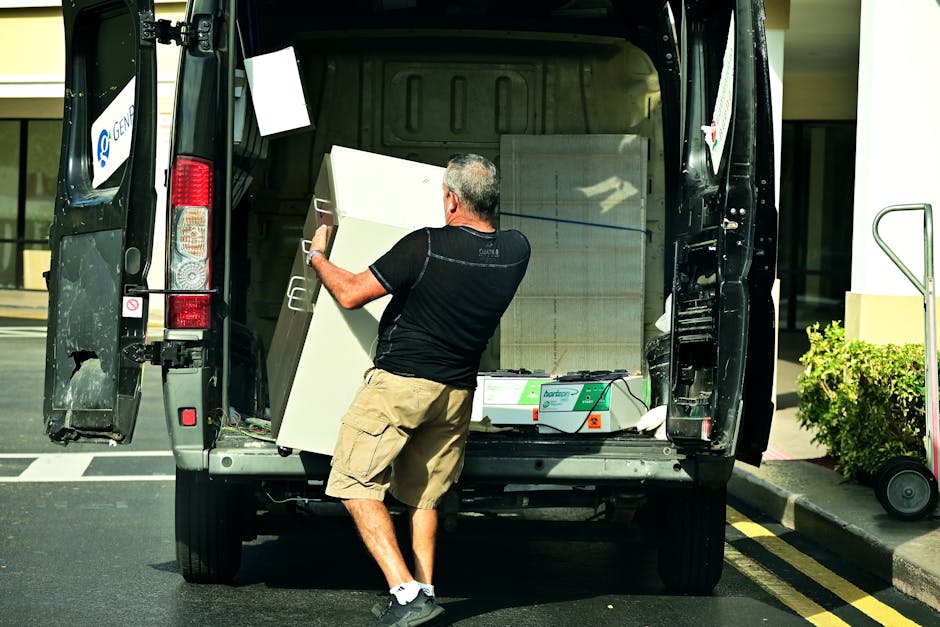
Unloading advice matters because the van is only efficient if the drop-off point works for the job. If you unload in the wrong order, you create extra handling, and extra handling means more chances to chip furniture, scuff walls, or simply waste time shuttling items back and forth. That is the bit people underestimate. They think the move starts at the front door, but really it starts with the van's position and ends when the last box is safely inside.
There is also a neighbourly angle. In busy or sensitive residential areas, a moving van can obstruct sightlines, block access for others, or make a lot of noise at the wrong hour. A tidy, quick unloading plan is not just convenient; it is respectful. And near a place as well-known as Hall Place, where local foot traffic and road use can be more unpredictable than a quiet cul-de-sac, that respect helps everyone.
If your move also involves larger furniture or specialist items, it is worth reading practical guides like our bed and mattress moving guide and why piano moving needs professional help. Those pieces go into the detail that turns a hard move into a manageable one.
How Moving near Hall Place? Access and unloading advice Works
At its core, the process is simple: assess the route, confirm where the van can stop, decide how items will be carried, then unload in the most sensible order. But simple is not the same as easy. The practical part is in the detail.
Start with the approach. Is the property easiest to reach from the front, side, or rear? Is there a turning area? Can a medium-sized van get close, or will you need a smaller vehicle or staged carrying from a nearby legal parking spot? If the answer is not obvious, do not guess. A five-minute recce the day before can save an hour on moving day. Sometimes more. I know, boring advice, but it works.
Next comes the unloading sequence. Heavy, awkward, and high-priority items should be off first if they are going straight into the main rooms and not blocking the hallway. That often includes beds, sofas, large boxes of kitchen equipment, and essential bags. Fragile items should travel in a way that allows you to place them safely without stacking around them. The order matters because the van floor space changes with every item removed.
Finally, communication is everything. If you are moving with family, friends, or a professional team, everyone should know which door to use, where to set boxes down, and which items need two people. That sounds obvious until the first box lands in the wrong room and the rest of the day gets muddled.
For packing strategy, the article on packing solutions for every home move is a useful companion read, especially if you want the van loaded in a cleaner, more efficient order.
Key Benefits and Practical Advantages
Good access planning near Hall Place gives you more than convenience. It changes the mood of the move. Instead of a frantic, stop-start operation, you get a calmer handover from van to property. That matters a lot when there are children around, neighbours passing by, or simply a long list of things still to do.
- Less carrying distance: the closer the van is to the entrance, the fewer steps every item needs.
- Reduced damage risk: shorter carries mean fewer knocks on doors, banisters, and corners.
- Better time control: unloading is faster when there is a clear route and a sensible sequence.
- Lower stress: fewer unknowns, fewer surprises, fewer "where does this go?" moments.
- Safer handling: heavy lifts are easier to manage when you are not improvising in the street.
There is also a financial side, even if it is indirect. A move that runs smoothly is less likely to overrun, and overrun is what tends to push jobs into overtime, extra labour, or a second trip. If you are comparing different support options, our pricing and quotes page explains how estimates are typically approached, which is helpful when you are trying to budget sensibly.
For many people, the biggest advantage is mental. You know where the van is going. You know which box comes out first. You are not standing in the rain at 7:40 in the morning wondering whether a sofa can physically fit through the hallway. That kind of clarity is worth a lot.
Who This Is For and When It Makes Sense
This kind of planning is useful for almost anyone moving near Hall Place, but it becomes especially important in a few common situations.
Households with larger furniture
If you have wardrobes, beds, sofas, appliances, or bulky dining furniture, access and unloading strategy can make or break the day. A larger item may not be difficult in itself; it just becomes awkward if the van is parked too far away or the path is cluttered.
Flat moves and shared buildings
Flat removals often involve stairs, lifts, communal hallways, and limited loading space outside. In those cases, a tight unloading plan is not optional. It is the difference between a clean move and an afternoon of apologising to people in the corridor. If that sounds familiar, take a look at flat removals in Foots Cray for broader support on apartment-style moves.
Students and short-term movers
Students and renters often move with less furniture but more time pressure. That usually means fewer boxes, but a sharper need for speed. A student removals service can be a useful fit when timing is tight and the access is not especially friendly.
Small businesses and offices
Office moves near Hall Place or nearby roads need careful unloading because equipment, files, and furniture often have to be placed in a specific order. There is less room for "we'll sort it later." If that is your situation, office removals support may be more practical than a basic van hire.
Anyone with tight access or limited lifting capacity
If you know your property has a narrow frontage, stairs, awkward parking, or a long carry, then yes, this advice is for you. It is also for anyone who would rather not overdo it. Not every move needs heroics. Sometimes the smartest move is the one with the fewest heavy lifts.
Step-by-Step Guidance
Here is a straightforward way to plan access and unloading without overcomplicating it.
- Survey the route. Check where the van will approach from, where it will stop, and whether anything blocks a clean turn or reverse.
- Measure the awkward bits. Door widths, stair turns, porch steps, low ceilings, and tight corners all deserve attention. A quick tape measure can save a lot of guesswork.
- Decide the unloading zone. Pick the safest place to stage boxes and furniture inside the property before the first item is moved.
- Prepare priority items. Keep essentials visible and ready: kettle box, bedding, cleaning kit, charging cables, and basic tools.
- Assign carrying roles. Make it clear who is handling fragile items, who is guiding, and who is clearing space inside.
- Unload by destination. Place items directly into the room they belong in where possible. It reduces double-handling later.
- Keep walkways open. Don't stack boxes in the main path unless you absolutely have to. A blocked hall is how moves bog down.
- Check each large item as it comes in. Look for scuffs, loose fittings, or damage before moving on to the next piece.
A small but useful habit: keep a "first night" bag separate from everything else. If the cups, charger, toiletries, and basic bedding are easy to reach, your first evening feels far less chaotic. It sounds minor, but on moving day minor things become major very quickly.
If you want practical help with the less glamorous side of moving, decluttering before a move and deep cleaning before relocation are both worth a read. Less clutter usually means cleaner access and easier unloading. Simple, but true.
Expert Tips for Better Results
There are a few habits that consistently make moving day easier near Hall Place, and they are not especially glamorous. Still, they work.
Use the closest legal stopping point, not the closest possible one
People sometimes assume they can simply stop anywhere for a few minutes. In practice, that can create conflict, inconvenience, or an unnecessary shuffle. Use a proper stopping place, keep the job tidy, and move quickly. If parking is uncertain, plan for a shorter carry from a sensible location.
Load the van with the unload order in mind
This is one of the easiest wins. Items needed first should be loaded last, so they come off first. That includes bedding, basic kitchen items, and room-specific essentials. If you do it the other way round, you end up unpacking around the items you most need. Annoying, to say the least.
Protect entry points before you start
Door frames, bannisters, and floors take a beating during a rushed move. Blankets, cardboard corner guards, and floor protection are worth the extra few minutes. If the weather is wet, add more protection. A damp shoe on a polished floor is never a good look.
Break down furniture where it genuinely helps
Do not dismantle things just for the sake of it. But if a bed frame, table, or shelving unit becomes much easier to carry when separated, do the work early. For furniture-specific guidance, the team's furniture removals service is a useful reference point for what tends to need special handling.
Keep one person focused on the flow
During an unloading run, one person should watch the bigger picture: what is coming next, what room space is clearing, and whether a bottleneck is forming. It sounds a bit over-structured until you see how much time it saves.
Expert summary: Near Hall Place, the best unloading plan is usually the simplest one: park legally, protect the property, unload in the right order, and keep essentials easy to reach. If you can avoid re-handling boxes, you have already won half the battle.
If heavy lifting is part of your move, do not wing it. A quick read of solo heavy lifting skills and kinetic lifting basics can remind you how to move more safely and with less strain.

Common Mistakes to Avoid
Most moving headaches near Hall Place do not come from one huge error. They come from a handful of small, avoidable ones stacking up.
- Not checking parking in advance: assuming the van will fit where you want it to fit is a classic way to lose time.
- Ignoring walking distance: a short road can still mean a long carry if access is blocked or awkward.
- Unloading randomly: taking the nearest box first feels efficient for about thirty seconds, then everything gets messy.
- Leaving fragile items unprotected: mirrors, lamps, glassware, and electronics need more than hope and a cardboard box.
- Forgetting to protect the property: floors and doorways are more vulnerable than people think.
- Trying to do too much in one go: exhaustion leads to sloppy lifting and messy decisions.
- Not planning for weather: rain turns a short unloading run into a slippery, tiring job very quickly.
There is one mistake I see a lot: people pack the van for maximum capacity, not for actual access. That may look clever at departure time, but it is miserable when the first thing needed is buried under three mattresses and a box of winter coats. Clever packing and practical unloading are not the same thing. They need to work together.
Tools, Resources and Recommendations
You do not need a warehouse of equipment to unload well. A few sensible items make a big difference.
| Tool or resource | Why it helps | Best used for |
|---|---|---|
| Furniture blankets | Protect doors, furniture edges, and floors | Sofas, tables, wardrobes, and appliance corners |
| Two-wheel trolley | Reduces strain on heavier boxes and appliances | Short, flat carries from van to entrance |
| Webbing straps | Keeps items stable and safer to carry | Stacked boxes or awkward loads |
| Floor protection | Limits scuffs and dirt transfer | Hallways, entrances, and polished floors |
| Basic tool kit | Helps with dismantling and reassembly | Beds, shelving, loose fittings |
| Labels and room stickers | Speeds up room placement | Every box, especially in larger homes |
For packing supplies, packing and boxes support is a practical next step if you are still gathering materials. It is one thing to have boxes; it is another to have the right sizes and enough tape.
Storage is another good fallback when access or timing gets messy. If the new place is not fully ready, or you need to stage items elsewhere for a few days, storage options in Foots Cray can ease the pressure. Sometimes that breathing room is exactly what a move needs.
If you are using a professional moving team, it is wise to understand how they handle insurance and safety procedures. That page is worth a look here: insurance and safety information. It gives you a better sense of what good practice looks like and what questions to ask before moving day.
Law, Compliance, Standards, or Best Practice
For most home moves, the main compliance issues are practical rather than dramatic. You are usually dealing with parking rules, safe lifting, access to shared spaces, and keeping pathways clear. In London, local parking restrictions and estate rules can vary, so it is sensible to check in advance rather than assume brief loading is automatically acceptable everywhere. If a managed building or private road is involved, ask about the site's moving policy early.
Health and safety best practice also matters. Heavy lifting should be shared where possible, handled with suitable equipment, and approached without rushing. If something feels too awkward, too heavy, or too tight for safe manual handling, that is your sign to stop and rethink. No box is worth a pulled back or a smashed banister. Really, it isn't.
Professionally, a good removals team should be able to explain how they manage access checks, protective materials, and lifting methods. You do not need legal jargon. You need calm, clear process. The same goes for complaints, terms, and payment: they should be easy to find and easy to understand. Transparent businesses tend to be the ones that handle awkward moves well too.
For a broader look at the company's standards and approach, the services overview and health and safety policy are useful pages to review before you book.
Options, Methods, or Comparison Table
There is more than one way to handle access near Hall Place. The best choice depends on distance, item size, parking, and how quickly everything needs to happen.
| Method | Pros | Trade-offs | Best for |
|---|---|---|---|
| Full-service removals team | Efficient, coordinated, less stress | Usually the highest cost option | Larger homes, awkward access, valuable items |
| Man and van | Flexible, practical, often good for smaller loads | May need more involvement from you | Flats, partial moves, short-notice jobs |
| Self-move with hired van | Can be budget-friendly if well organised | More physical work, more planning | Experienced movers with straightforward access |
| Split load or staged move | Useful when access or timing is tight | Can take longer overall | Busy streets, renovation delays, limited parking |
For some readers, a man and van service hits the sweet spot. For others, especially those with larger households, house removals support is the more reliable choice. There is no one-size-fits-all answer, and that is fine.
If your move needs to happen quickly because access windows are short, same-day removals may also be worth considering, although timing and availability obviously matter.
Case Study or Real-World Example
Here is a simple example from a typical local move. A couple were relocating from a first-floor flat near Hall Place into a house a short drive away. On paper it looked easy enough: only a few large pieces, several boxes, and one van. But the entrance road was narrower than expected, parking was limited, and the lift at the flat could only take one large item at a time.
Instead of forcing everything into one rush, they split the process. The van was parked at the safest legal stopping point, and the heaviest items were loaded so they would come off last at the old place and first at the new one. Fragile boxes were marked clearly, and the first-night essentials stayed near the rear doors for quick access. It took a little more planning before the move, but the unloading itself was calm. No scrambling. No last-minute reordering in the street. Just a steady rhythm.
That is usually what a good access plan does. It does not make the move magical. It makes it predictable. And predictable is underrated on moving day.
There was a small bonus too: because the route had been checked beforehand, they did not waste time debating whether the van could turn. That alone probably saved their morning. The kettle was on sooner, which is always a nice sign.
Practical Checklist
Use this before moving day, ideally the day before if you can.
- Confirm the exact address and entrance point for the property.
- Check where the van can legally stop or unload.
- Measure narrow doors, hallways, stair turns, and lift dimensions if relevant.
- Decide which items need two people to carry.
- Pack a first-night bag and keep it easy to reach.
- Label boxes by room and priority.
- Protect floors, doors, and corners before moving items in.
- Keep tools for dismantling and reassembly close to hand.
- Have a plan for wet weather, especially if the carry is short but exposed.
- Clear a landing zone inside the property so boxes do not pile up in the hallway.
- Review any building, estate, or parking restrictions in advance.
- Keep a phone charged in case the vehicle position needs to be adjusted.
Practical takeaway: if you know the access route, the unloading sequence, and the parking plan, you remove most of the friction from the move. It really is that simple, even if the move itself is not.
Conclusion
Moving near Hall Place is not just about getting from one postcode to another. It is about handling the final stage well: the parking, the carry, the order of unloading, and the little practical decisions that prevent big headaches later. Once those pieces are in place, everything feels more manageable. Less like a scramble, more like a plan.
Whether you are moving a family home, a flat, or a small business space, access and unloading advice gives you the edge. It helps you protect furniture, avoid wasted effort, and settle in faster. And if you are still weighing up your options, remember that a good move is usually the one that looks calm from the outside because the planning happened quietly beforehand.
If you want a move that feels steady rather than chaotic, start with access, keep unloading simple, and let the rest follow. That small bit of care goes a long way.
Get a free quote today and see how much you can save.